
BGSG Expression of Solidarity with BLM Movement
July 20, 2020
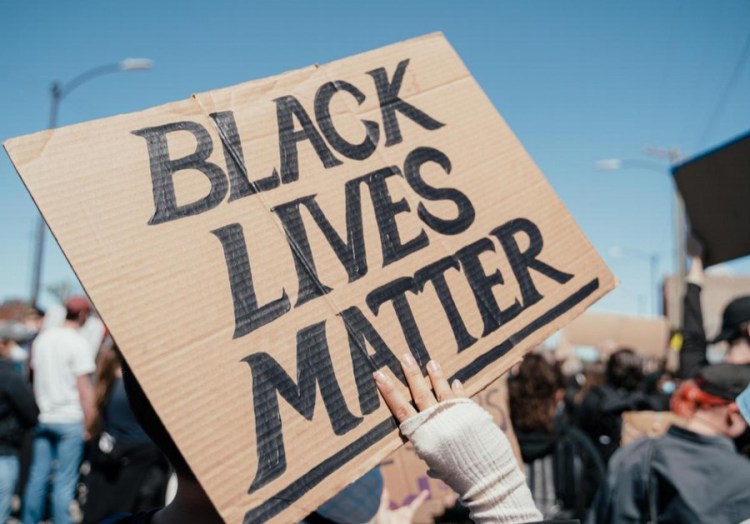
This statement denounces the way in which the white supremacy of police surveillance is persisted as always. The Black Geographies Specialist Group condemns the routine violence of police surveillance in the United States, where the number of people killed by police extends beyond 1,000 people each year. We mourn the deaths of George Floyd, Ahmaud Arbery, Breonna Taylor, Nina Pop, James Scurlock, Tony McDade, David McAtee, Marielle Franco, and all other victims of government-sanctioned anti-Negrx and extrajudicial violence around the world. We express our investment in the resounding demands of the demonstrations across the country and on a global scale to divest from and demilitarize the police.
We are grateful for statements of solidarity from other specialized groups and the American Association of Geographers. We also urge our colleagues to act beyond their statements and work to transform the discipline and its legacies of racism, imperialism, colonialism, homophobia, and sexism. We must support our students and teachers who study and bring to light these structural problems both in their work and in their daily experiences. We must also support those in the struggle who resist these structures on the streets, drawing attention to the multiple forms of anti-Black violence enacted by the police state.
This moment has the potential to make a great transformative social change, and the discipline of geography must prepare to study the structures of racial capitalism, the landscapes of prisons, anti-Blackness and white supremacy in space studies around the world. Make sure that this type of abolitionist scholarship is easily accessible to those who need it most urgently: by being public scholars, removing paywalls from academic journals, and holding educational institutions accountable for the standards of success for social transformation. .
Meanwhile, we must draw attention to the various forms of violence that are produced and reproduced within the academy, from the epistemic violence of appropriating the theories of community activists without credit and the erasure of theories of Black Geographies from the lists of graduate-level reading and undergraduate programs, to the everyday racial microaggressions and overt racist harassment of Black scholars. Our colleagues must go beyond “getting in touch” and really begin to affirm and engage with Black Geographies and the scholars who produce this vital work. How to spell Aretina Hamilton:
It’s a heartbreaking project that few of my white colleagues will understand, even when they bemoan the injustices – a cognitive dissonance occurs. While I am distraught and heartbroken over the thousands upon thousands of Black and other bodies being brought down by the military-industrial complex, I find myself in an [existential] crisis considering the frequent violence that has been launched on Black, Indigenous and indigenous people. other people of color in academia, in graduate programs, and yes, in our professional organizations. Many times this violence is invisible and difficult to understand. It may not cause bloodshed or impede your physical mobility. There are no batons or angry policemen who fear fear with their knees to their necks. And yet it is palpable. We feel the pain. An incessant pain.
We ask our colleagues to support Black people in whatever way they can; for example, through mutual aid (see BGSG Mutual Help List) and citation practices (see BGSG Reading List). We also accept donations made to the Black Geographies Specialty Group, which will be used to fund student conference trips and other opportunities for young scholars working at the intersections of race, space, and power. We urge our colleagues to mobilize to transform our discipline and our institutions of higher education. This includes:
- Demand that universities and colleges cut ties with the police, following in the footsteps of the University of Minnesota and Minneapolis Public Schools;
- Increase recruitment and promotion of Black teachers;
- Create professional channels in which diversity postdoctoral positions are converted to full positions;
- Modify the ownership and promotion processes so that the tutoring and service work that is disproportionately requested of the faculty of color has greater weight;
- Prioritize reviews of manuscripts submitted by Black scholars;
- Dedicate funds to tutoring and support programs for Black undergraduate and graduate students.
Within and beyond academia, we must all recognize, honor, and continue the work of Negrx freedom fighters to build worlds of radical transformation and racial justice.
Signed,
The Executive Committee of the Black Geography Specialties Group
* This translation was graciously edited by the LxGSG (the Latinx Geography Specialties Group)
 Black Geographies Specialty Group